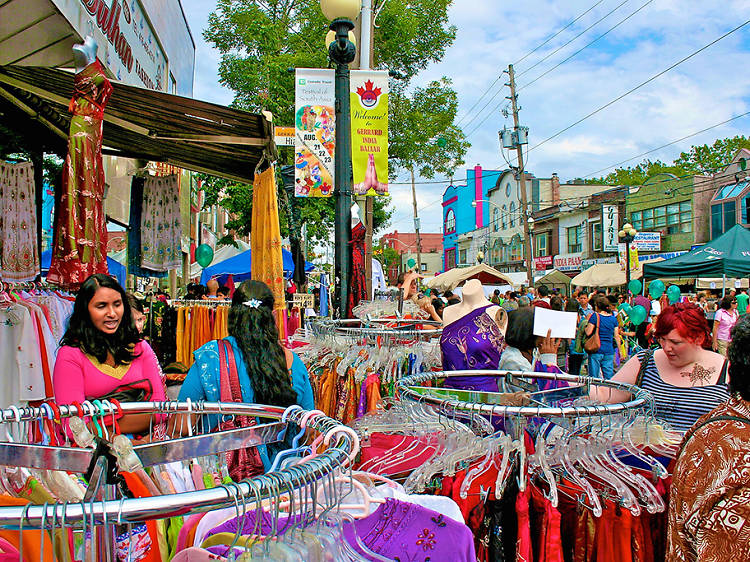
Toronto has established itself as a thriving hub for artisanal products, with a dynamic and rapidly expanding ecosystem of markets, venues, and consumer demand driving a significant shift in how the city engages with handcrafted goods. This renaissance reflects broader Canadian and global trends emphasizing authenticity, sustainability, and support for local makers.
Market Expansion and Key Venues
Toronto’s artisanal product landscape has experienced notable growth through several established and emerging market platforms. The Evergreen Brick Works, one of the city’s most significant venues, operates the largest farmers market in Toronto with over 100 local farmers, producers, entrepreneurs and chefs each year, while also hosting the Ontario Artisan Market that runs every Sunday from May through October, featuring more than 40 local artists and makers offering jewelry, skincare products, candles, and sustainable goods.
The Distillery District has solidified its position as a premier artisan destination, hosting year-round markets and serving as home to 85+ locally owned businesses and vendors, including multiple craft artists and makers. The district’s annual Winter Village attracts approximately 800,000 visitors, making it one of Toronto’s most significant cultural tourism destinations. Similarly, the Toronto Artisan Market, held at various locations including the Distillery District and Don Mills shopping centers, provides regular opportunities for craftspeople to showcase their work throughout the year.
Kensington Market remains an iconic neighborhood featuring over 240 shops and restaurants, with a strong concentration of independent artisanal businesses selling handmade goods, vintage items, and specialty foods in a vibrant, bohemian setting.
Product Diversity and Specialization
The range of artisanal products available in Toronto’s markets has expanded significantly. Toronto’s artisan confectionery sector exemplifies this growth, with over 20 craft chocolatiers operating in the city. Notable examples include Mary’s Brigadeiro, recognized as the first Toronto chocolate crafting business exclusively dedicated to Brazilian-style chocolate experiences and selected as one of the top 3 chocolate shops in the city by Toronto Star, Blog TO, and Destination Toronto. Artisanal bakers and confectioners increasingly emphasize organic, gluten-free, and specialty ingredients, catering to health-conscious consumers.
Beyond food, the markets showcase diverse creative disciplines. Artisanal ceramics have experienced remarkable growth, with the global pottery ceramics market projected to reach $14.68 billion by 2029, driven by consumer preferences for unique, sustainably-produced pieces. Handmade jewelry, textiles, crochet items, and home décor represent other thriving categories, with vendors successfully selling through permanent shop locations, market stalls, and online platforms.
Consumer Demand and Market Drivers
Consumer preference for artisanal products has surged, driven by multiple interconnected factors. Over 48% of Canadians participated in arts or crafts-related hobbies in 2023, with art therapy participation rising 29% year-over-year. Consumers increasingly seek products that offer authenticity, storytelling, and quality craftsmanship over mass-produced alternatives—with 23% of U.S. adults strongly believing handmade products are higher quality.
Younger generations are particularly supportive of local artisans. Gen Z leads the way in holiday spending commitments, with 71% dedicating at least half their budget to local shops compared to just 46% of Boomers. Sustainability concerns also drive demand, as artisanal products align with eco-conscious values through use of natural materials, local production, and minimal waste.
The $25-50 price point represents the sweet spot for artisan sales, with approximately 54% of handmade items priced in this range, making them accessible to middle-class consumers while maintaining premium positioning.
Economic Impact and Business Growth
Toronto’s artisanal sector contributes significantly to the broader arts and culture economy. Ontario’s arts and culture sector generates $27 billion in provincial GDP and provides almost 300,000 jobs—more than real estate, auto-manufacturing, forestry, and mining combined. Small-scale artisan businesses in Canada have experienced 33% growth since 2020, reflecting the expanding market opportunity.
Individual artisan success stories demonstrate the viability of this sector. One Toronto-based vendor, Hippie Crow Hub, evolved from an Instagram account to a registered artisan business with a monetized YouTube channel and placement in three separate retail locations within the city. Similarly, Genuine Tea, which started by selling at local farmer’s markets in 2015 with just $80 in initial revenue, has grown to become a thriving Canadian tea business.
Market Trends Shaping Growth
Several key trends are accelerating the artisanal products market. The niche market targeting approach allows artisans to create locally-made versions of traditional foods from immigrant communities, capitalizing on cultural diversity. Crafting trends emphasize “emotional support crafts,” DIY and social crafting experiences, and personalized handmade gifts over mass-produced alternatives.
Digital transformation has been critical to market expansion, with online platforms enabling artisans to reach broader audiences and conduct direct-to-consumer sales. Social media platforms like Instagram serve as critical marketing channels, allowing artists to showcase work, build communities, and connect directly with customers.
Supporting Infrastructure and Community Building
The market infrastructure supporting artisans continues to strengthen. Event venues like City of Craft—Toronto’s largest not-for-profit, juried craft show held in December, featuring over 60 local and Canadian makers and attracting approximately 4,000 attendees—demonstrate sustained community commitment. Riverdale Hub’s Artisan Market actively recruits local artisans and supports marginalized women entrepreneurs.
Markets increasingly emphasize community connection and cultural expression. Pedestrian Sundays in Kensington Market, held the last Sunday of every month from May to October, create car-free spaces for street performers, vendors, and cultural celebration, with programming organized by community volunteers.
Challenges and Future Outlook
Despite robust growth, Toronto’s artisanal sector faces challenges including rising input costs, skilled labor shortages, and regulatory hurdles. Artists in Toronto experienced particular economic difficulty, with median incomes declining 28% between 2016 and 2021 despite overall worker income gains of 13%.
However, the trajectory remains positive. Canada’s specialty food store industry, which includes many artisanal producers, reached $7.0 billion in 2025 revenue and is projected to continue growing as real incomes recover and consumers increasingly prioritize premium quality and transparency over mass-market alternatives. The convergence of consumer values, generational preferences, digital infrastructure, and cultural diversity positions Toronto’s artisanal products market for continued expansion and innovation.