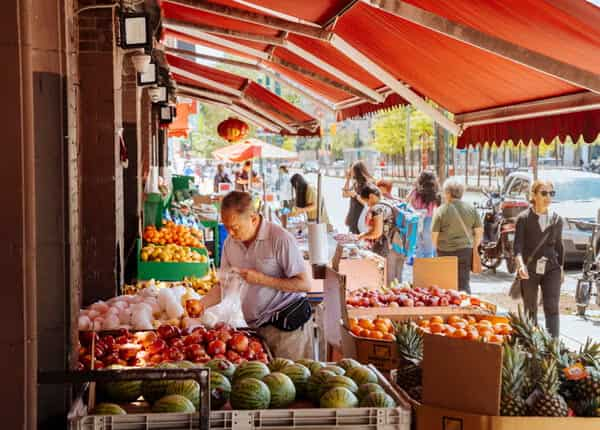
Toronto is one of North America’s most exciting food destinations, and one of the best ways to experience its culinary diversity is by exploring its multicultural neighbourhoods. From handmade pasta and authentic Italian espresso to Chinese dumplings and traditional Greek souvlaki, the city offers an incredible variety of flavours within a relatively small number of neighbourhoods.
For food lovers, three areas deserve particular attention: Little Italy, Chinatown, and Greektown. Each has a distinctive character, a fascinating food culture, and restaurants that reflect generations of culinary traditions.
Whether you are visiting Toronto for the first time or looking for new places to eat as a local, this guide will help you discover what to order, where to go, and how to organize a memorable food adventure.
- Little Italy: Pasta, pizza, espresso, gelato, and Italian bakeries.
- Chinatown: Dim sum, dumplings, noodles, Cantonese barbecue, and regional Chinese cuisines.
- Greektown: Souvlaki, gyros, grilled seafood, Greek salads, and traditional desserts.
Each neighbourhood offers more than one culinary tradition. Toronto’s food culture is constantly evolving, with independent restaurants and newer immigrant communities adding to its character.
1. Little Italy: Discover Toronto’s Italian Food Culture
Located primarily along College Street, between Bathurst Street and Ossington Avenue, Little Italy is one of Toronto’s best-known cultural and culinary districts.
The neighbourhood developed through generations of Italian immigration and continues to celebrate Italian food, cafés, restaurants, and community traditions. Although the area has become more diverse over time, its Italian heritage remains an important part of its identity.
Walking along College Street, you will find restaurants, espresso bars, gelato shops, independent businesses, and lively patios. It is an excellent place to spend an afternoon enjoying a leisurely meal followed by coffee and dessert.
What Food Should You Try in Little Italy?
Italian cuisine is about more than pizza and pasta. Little Italy offers opportunities to explore traditional regional dishes and familiar Italian comfort food.
- Fresh pasta: Try dishes featuring handmade pasta, tomato sauces, seafood, or traditional Italian cheese.
- Wood-fired pizza: Look for thin-crust pizzas with fresh ingredients and traditional toppings.
- Veal sandwiches: A classic Toronto Italian-Canadian specialty, often served with tomato sauce, cheese, and peppers.
- Espresso: Enjoy a traditional Italian coffee at one of the neighbourhood’s established cafés.
- Gelato: A refreshing dessert after exploring College Street.
- Italian pastries: Look for cannoli, biscotti, and seasonal baked goods.
Best Restaurants and Food Stops in Little Italy
Café Diplomatico
Often called The Dip, Café Diplomatico has been a familiar presence on College Street since 1968. It is known for its lively patio, Italian-inspired menu, pizza, pasta, coffee, and relaxed atmosphere.
Try: Pizza, pasta, espresso, and a casual breakfast.
Address: 594 College Street.
Trattoria Taverniti
This family-run trattoria offers a classic Italian dining experience, with a menu focused on pasta, wood-fired pizza, and comforting Italian dishes.
Try: House-style pasta and wood-fired pizza.
Address: 591 College Street.
Fresca Pizza and Pasta
A casual stop for pizza slices and hearty Italian-inspired comfort food. It is particularly convenient for visitors who want a quick meal while exploring College Street.
Try: Pizza slices and pasta.
Address: 302 College Street.
Sicilian Sidewalk Café
A neighbourhood destination highlighted by Toronto tourism for authentic gelato. It is a nice stop for a sweet treat while walking around Little Italy.
Try: Italian-style gelato.
Area: College Street, Little Italy.
Experience the Atmosphere of Little Italy
Little Italy is not simply a place to eat. It is also an interesting neighbourhood to explore on foot.
Spend some time visiting independent shops, looking at local murals, enjoying an espresso, or sitting on a restaurant patio. College Street becomes particularly lively during warm weather, when outdoor dining brings the neighbourhood to life.
The annual Taste of Little Italy festival is another highlight, bringing food vendors, entertainment, and community celebrations to College Street.
2. Chinatown: A World of Chinese Food in Downtown Toronto
Toronto’s Chinatown, centred around Spadina Avenue and Dundas Street West, is one of the city’s most recognizable international food destinations.
The neighbourhood developed through generations of Chinese immigration and has evolved into a diverse commercial district featuring restaurants, grocery stores, bakeries, specialty shops, and businesses representing different Asian communities.
For food lovers, Chinatown is especially interesting because it offers more than one style of Chinese cooking. You can explore Cantonese dishes, Northern Chinese dumplings, Sichuan flavours, Hong Kong-style comfort food, and much more.
What Food Should You Try in Chinatown?
If this is your first visit, consider starting with some of the neighbourhood’s most recognizable dishes.
- Dim sum: Small portions of steamed, fried, and baked dishes, including shrimp dumplings, pork buns, and rice rolls.
- Soup dumplings: Delicate dumplings filled with seasoned meat and hot broth.
- Hand-pulled noodles: Noodle dishes served in rich broths or with spicy sauces.
- Roast duck: A Cantonese favourite often served with rice or noodles.
- Wonton soup: A comforting combination of wontons and broth.
- Congee: A traditional rice porridge that can include meat, seafood, or vegetables.
- Egg tarts: A popular bakery treat with a creamy custard filling.
Best Restaurants in Toronto’s Chinatown
Mother’s Dumplings
This well-known restaurant specializes in Northern and Northeastern Chinese dumplings. It is a great place to discover different fillings and traditional dumpling preparations.
Try: Pork and chive dumplings, beef dumplings, and other handmade varieties.
Address: 421 Spadina Avenue.
Juicy Dumpling
A casual Chinatown favourite specializing in Shanghainese-style dumplings and other quick Chinese comfort food.
Try: Soup dumplings and pan-fried buns.
Address: 280 Spadina Avenue.
Swatow Restaurant
A long-running Chinatown restaurant with a broad selection of Chinese comfort food and dishes suited to sharing with friends or family.
Try: Noodle dishes, seafood, and Cantonese-style favourites.
Address: 309 Spadina Avenue.
Rol San Restaurant
A familiar destination for Cantonese dim sum in a traditional, busy restaurant setting. It is especially interesting for visitors who want to sample several small dishes.
Try: Shrimp dumplings, steamed buns, and rice rolls.
Address: 390 Spadina Avenue.
House of Gourmet
A casual restaurant with a broad Cantonese and Hong Kong-style menu, including rice plates, noodles, barbecue meats, and seafood.
Try: Roast meat rice plates and noodle dishes.
Address: 484 Dundas Street West.
R&D
For a more contemporary dining experience, R&D offers creative Canadian-Asian cooking in a lively Chinatown setting.
Try: Its modern interpretations of Asian-inspired dishes.
Address: 241 Spadina Avenue.
Explore the Shops and Markets of Chinatown
One of the best ways to experience Chinatown is to explore beyond the restaurants.
Local grocery stores offer an interesting selection of Asian vegetables, sauces, spices, snacks, noodles, and specialty ingredients. You can also find bakeries selling traditional pastries and shops carrying products that are difficult to find in mainstream supermarkets.
Take time to browse the stores along Spadina Avenue and Dundas Street West. The combination of food businesses, markets, and independent retailers gives the neighbourhood much of its distinctive atmosphere.
3. Greektown: Experience Greek Food on the Danforth
Toronto’s Greektown, located along Danforth Avenue, is one of the city’s most recognizable Mediterranean food districts.
The neighbourhood has a strong Greek-Canadian heritage, with restaurants, bakeries, cafés, specialty shops, and community events contributing to its identity.
Greektown is particularly appealing for people who enjoy grilled meats, seafood, fresh salads, traditional desserts, and generous meals designed for sharing.
During the warmer months, restaurant patios make the Danforth an especially attractive place to spend an evening.
What Food Should You Try in Greektown?
Greek cuisine combines Mediterranean ingredients with traditional cooking techniques. Some of the most recognizable dishes to look for include:
- Souvlaki: Grilled skewers of seasoned meat, often served with pita, rice, and salad.
- Gyros: Seasoned meat served in pita bread with vegetables and tzatziki.
- Moussaka: A baked dish traditionally made with layers of eggplant, meat sauce, and béchamel.
- Spanakopita: Flaky filo pastry filled with spinach and cheese.
- Greek salad: Tomatoes, cucumber, olives, feta, and olive oil.
- Saganaki: Pan-fried cheese, sometimes served flaming at the table.
- Baklava: A sweet pastry made with filo, nuts, and syrup or honey.
- Loukoumades: Small fried dough balls commonly served with honey and cinnamon.
Best Greek Restaurants in Greektown
Mezes
Mezes is a lively Greek restaurant focused on shareable small plates, grilled dishes, and traditional Mediterranean flavours.
Try: Greek mezedes, saganaki, souvlaki, and shared platters.
Address: 440 Danforth Avenue.
Pantheon Greek Restaurant
A long-established family-operated restaurant known for traditional Greek dishes, seafood, and a classic taverna atmosphere.
Try: Moussaka, grilled seafood, and souvlaki.
Address: 407 Danforth Avenue.
Messini Authentic Gyros
A casual restaurant specializing in Greek street-food-style meals. It is a convenient choice for a quick and satisfying lunch.
Try: Pork gyros, pita sandwiches, and Greek fries.
Address: 445 Danforth Avenue.
Athens Restaurant
A long-running Greek restaurant offering traditional taverna cooking, seafood, grilled dishes, and a lively dining atmosphere.
Try: Seafood and traditional Greek grill dishes.
Address: 707 Danforth Avenue.
Astoria Shish Kebob House
A neighbourhood favourite for Greek and Mediterranean grilled food, with traditional dishes and hearty platters.
Try: Souvlaki platters, moussaka, and saganaki.
Address: 390 Danforth Avenue.
More Than Restaurants: Discover the Danforth
Greektown is also a great neighbourhood for walking, shopping, and experiencing Toronto’s community culture.
Along Danforth Avenue, you will find cafés, bakeries, specialty food shops, and independent retailers. It is worth taking time to explore the side streets rather than visiting only one restaurant.
One of the area’s biggest cultural highlights is Taste of the Danforth, a major Greek and multicultural food festival historically associated with the neighbourhood. Festival programming and dates can vary, so check the current event schedule before planning a visit.
Little Italy vs. Chinatown vs. Greektown: Which Should You Visit?
Each neighbourhood offers a different food experience. Your choice depends on the kind of cuisine you enjoy and the atmosphere you want to experience.
| Neighbourhood | Main Food Specialties | Atmosphere | Best For |
|---|---|---|---|
| Little Italy | Pasta, pizza, gelato, espresso | Relaxed, café-oriented | Italian food and coffee |
| Chinatown | Dim sum, noodles, dumplings | Busy, diverse, energetic | Food crawls and variety |
| Greektown | Souvlaki, gyros, seafood | Social, lively, patio-friendly | Group dinners and Mediterranean food |
For a relaxed afternoon with coffee and dessert, choose Little Italy. If you want to try several dishes and explore different regional cuisines, Chinatown is an excellent choice. For a traditional sit-down dinner with friends or family, Greektown is particularly appealing.
Discover Your Perfect Toronto Food Neighbourhood
Use this interactive guide to find which of the three neighbourhoods best matches your food preferences.
How Much Does a Food Tour in Toronto Cost?
The cost of exploring Toronto’s ethnic neighbourhoods depends on the number of restaurants you visit, the dishes you order, and whether you choose casual dining or a full sit-down meal.
Here are illustrative planning ranges in Canadian dollars:
| Experience | Estimated Cost Per Person |
|---|---|
| Casual Chinatown food crawl | $15–$30 |
| Italian café and pizza outing | $20–$40 |
| Greek casual lunch | $18–$35 |
| Full restaurant dinner | $35–$65+ |
| Multi-stop food adventure | $45–$80+ |
These are general trip-planning estimates, not verified restaurant menu prices. Actual costs vary by restaurant, portion size, drinks, tax, and tip.
Calculate Your Toronto Food Tour Budget
The calculator estimates Ontario’s 13% HST and applies the selected tip to the pre-tax subtotal. Actual restaurant bills may vary.
How to Plan a Toronto Multicultural Food Tour
If you have limited time in Toronto, it is possible to explore these neighbourhoods through a series of dedicated food outings. Each area deserves enough time to enjoy its restaurants, streets, and cultural atmosphere.
Morning: Start in Chinatown
Begin your day with a traditional dim sum breakfast or a selection of dumplings. Explore Spadina Avenue, visit local grocery stores, and discover the neighbourhood’s bakeries and specialty shops.
Allow approximately two to three hours if you want to enjoy a relaxed visit.
Afternoon: Explore Little Italy
Travel to College Street and spend the afternoon discovering Italian cafés, restaurants, and independent businesses.
Enjoy an espresso, try a pizza slice or pasta dish, and finish with gelato. If you enjoy walking, explore the surrounding streets and local shops.
Evening: Have Dinner in Greektown
Finish your food adventure along Danforth Avenue with Greek food. Choose a restaurant offering souvlaki, seafood, or traditional mezedes.
After dinner, explore the neighbourhood and enjoy a traditional dessert or coffee.
Getting Around Toronto’s Food Neighbourhoods
Toronto’s public transportation system makes it relatively straightforward to explore the city’s main culinary districts.
Getting to Little Italy
Little Italy is accessible by TTC streetcar and subway connections. The 506 Carlton streetcar travels along College Street, making it convenient for exploring the neighbourhood.
Getting to Chinatown
Chinatown is easy to reach using the 510 Spadina streetcar. Visitors can also access the area from nearby subway stations and walk along Spadina Avenue.
Getting to Greektown
The Danforth is connected to Line 2 of the TTC subway. Broadview, Chester, Pape, and nearby stations provide access to different parts of the broader Greektown area.
Walking is the best way to experience each neighbourhood once you arrive. Check the TTC website for current schedules, service changes, and fare information.
Other Multicultural Food Neighbourhoods Worth Exploring in Toronto
Although Little Italy, Chinatown, and Greektown are excellent starting points, Toronto has many other neighbourhoods that deserve attention from food lovers.
Kensington Market
Kensington Market is one of Toronto’s most eclectic food districts, featuring international restaurants, independent cafés, bakeries, specialty shops, and street food. It is a great place to discover different cuisines in a compact area.
Little India
Located along Gerrard Street East, the Gerrard India Bazaar, commonly known as Little India, is a destination for South Asian food, spices, sweets, clothing, and specialty products.
Koreatown
Centered around Bloor Street West, Toronto’s Koreatown offers Korean barbecue, bibimbap, Korean fried chicken, traditional desserts, and specialty cafés.
Little Portugal
Little Portugal is known for Portuguese restaurants, bakeries, and cafés. Visitors can look for grilled seafood, bifanas, and pastéis de nata.
Little Jamaica
Along Eglinton Avenue West, Little Jamaica has a rich Caribbean cultural identity. It is particularly interesting for Jamaican patties, jerk chicken, oxtail, curry dishes, and traditional Caribbean bakeries.
Frequently Asked Questions About Toronto’s Ethnic Food Neighbourhoods
What is the best food neighbourhood in Toronto?
It depends on your preferences. Little Italy is excellent for Italian cuisine, Chinatown offers a wide variety of Chinese and other Asian food, and Greektown is a great destination for Greek and Mediterranean dishes.
Where is Little Italy in Toronto?
Toronto’s Little Italy is primarily centred along College Street, between Bathurst Street and Ossington Avenue. It features Italian restaurants, cafés, shops, and cultural attractions.
Where is Chinatown located in Toronto?
Downtown Chinatown is centred around Spadina Avenue and Dundas Street West. It is one of Toronto’s most recognizable international food and shopping districts.
What is the best food to eat in Chinatown Toronto?
Popular choices include dim sum, soup dumplings, wonton soup, hand-pulled noodles, roast duck, congee, and Chinese bakery products.
What is Greektown in Toronto famous for?
Greektown is famous for its Greek restaurants, souvlaki, gyros, Mediterranean seafood, traditional desserts, and community celebrations along Danforth Avenue.
Which Toronto neighbourhood is best for cheap food?
Chinatown and Kensington Market are particularly good places to look for casual and budget-friendly food. Little Italy also has casual pizza shops and cafés where visitors can find less expensive options.
Can I visit Little Italy, Chinatown, and Greektown in one day?
Yes. You can visit all three in one day using public transportation. However, each neighbourhood deserves several hours if you want to enjoy its restaurants, shops, and cultural atmosphere.
When is the best time to explore Toronto’s ethnic neighbourhoods?
Spring, summer, and early autumn are particularly enjoyable because of outdoor dining, street festivals, and pleasant walking conditions. Winter is also a good time to discover indoor cafés, bakeries, and restaurants.
Does Toronto have food festivals celebrating these neighbourhoods?
Yes. Taste of Little Italy and Taste of the Danforth are well-known community food celebrations. Festival programming and dates can change, so check the organizers’ official announcements before planning your trip.
Final Thoughts: Discover Toronto One Neighbourhood at a Time
One of the best things about Toronto is that you can experience different culinary traditions without travelling far beyond the city. Little Italy, Chinatown, and Greektown each offer a distinct perspective on Toronto’s multicultural identity.
Little Italy is perfect for pasta, pizza, espresso, and relaxed café culture. Chinatown is an exciting destination for dumplings, dim sum, noodles, and regional Asian flavours. Greektown offers traditional Mediterranean dishes, lively restaurants, and a welcoming atmosphere along the Danforth.
Beyond these three neighbourhoods, areas such as Kensington Market, Little India, Koreatown, and Little Portugal make Toronto an especially rewarding destination for culinary tourism.
The best approach is to explore slowly, try dishes you have never tasted, visit independent restaurants, and talk to local business owners. You may discover that some of the city’s most memorable meals are found in the neighbourhoods rather than the major tourist attractions.